
Kyoto & Kagoshima · blended for New York
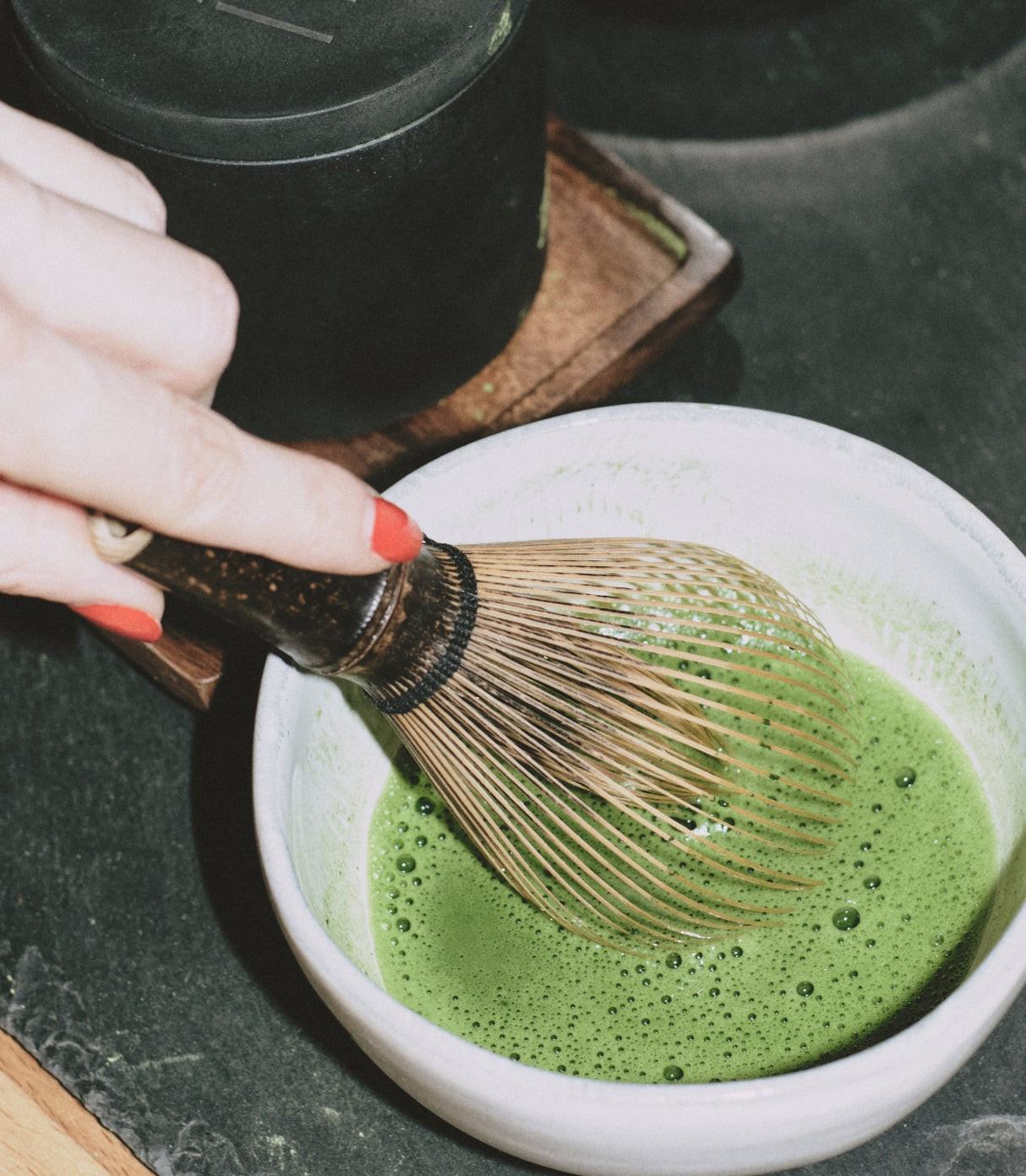
More than a green powder — a deeper taste of Japan.
Matcha is everywhere in the U.S. right now.But not all matcha is the same.
Not all matcha is the same
Six things decide what is in your bowl
- Where it’s grown
- Cultivar
- When it’s harvested
- How it’s cultivated
- How it’s processed
- Who selects the leaves
- Color
- Aroma
- Umami
- Bitterness
- Texture
- Finish
MAKE looks beyond labels like “Premium” or “Ceremonial.” What matters is what is actually behind those words.
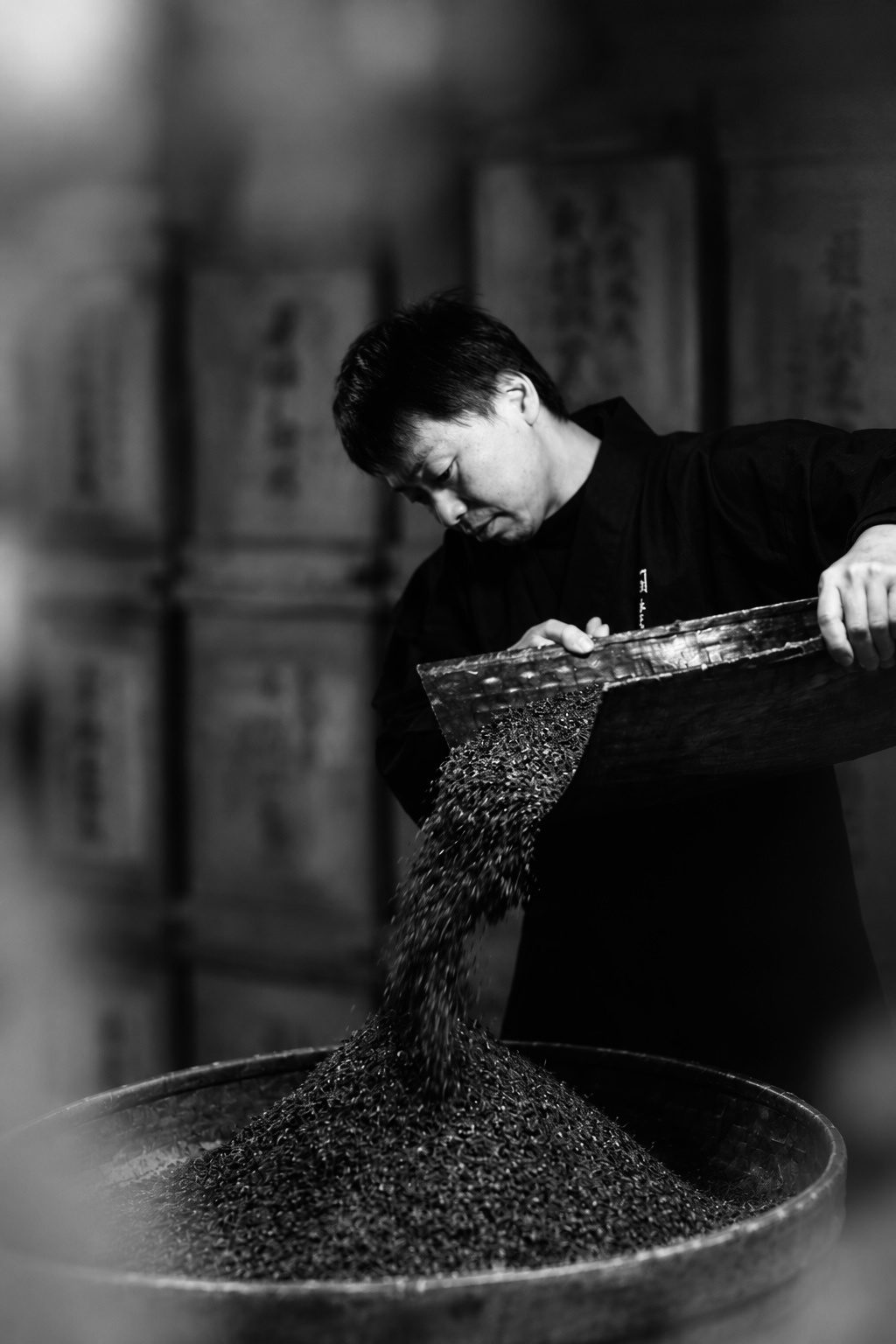
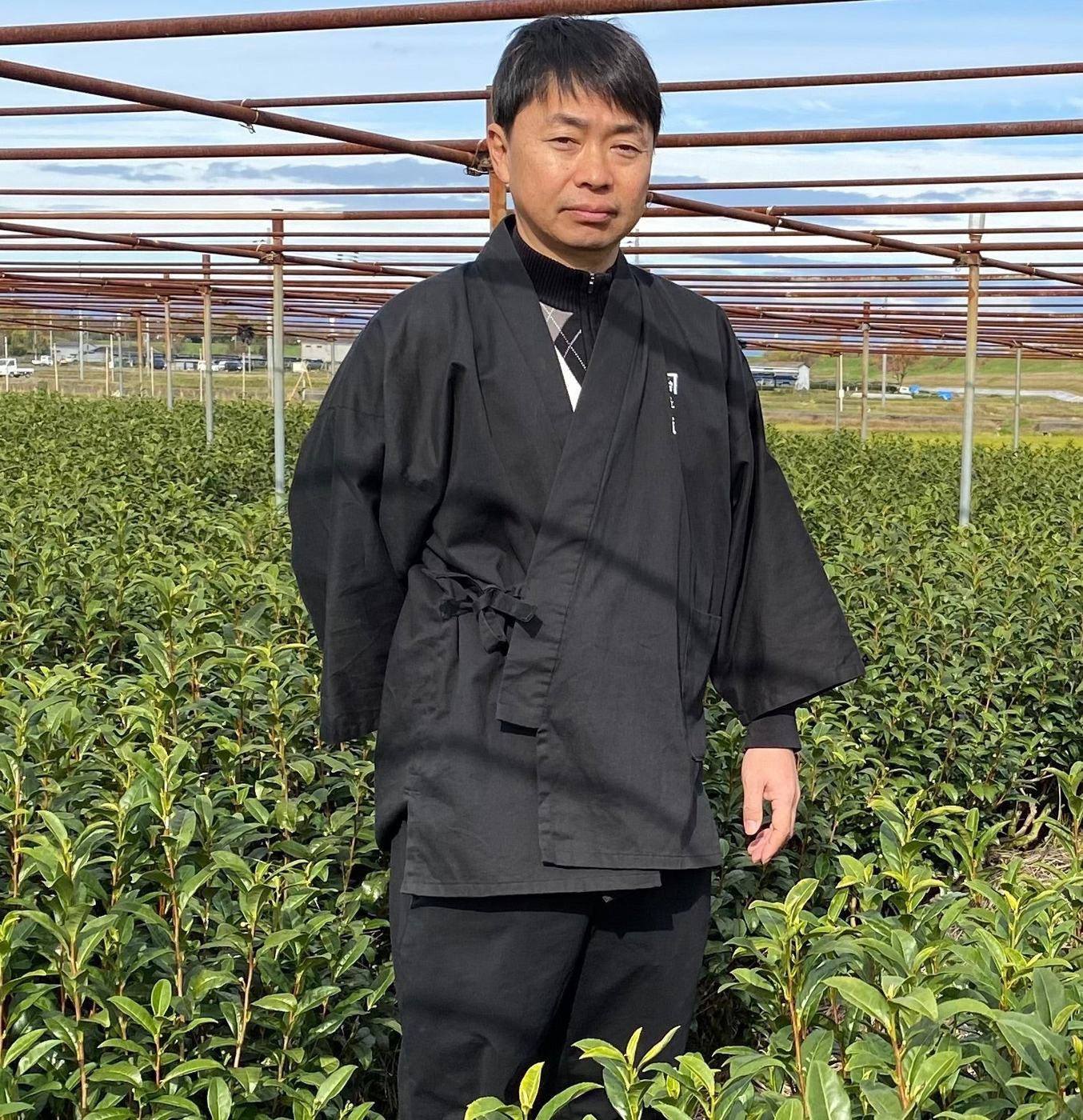
Hiroshi Kobayashi
Fifth-generation head of Shogyokuen, Kyoto1827
Shogyokuen’s roots10-Dan
the highest level of tea appraisal~30
people in Japan hold it (2025)Like a sommelier, he judges every leaf with five senses
ColorShapeAromaTouchTaste
Then he selects and blends for the ideal flavor.Not only what farmers grow — generations of human knowledge.
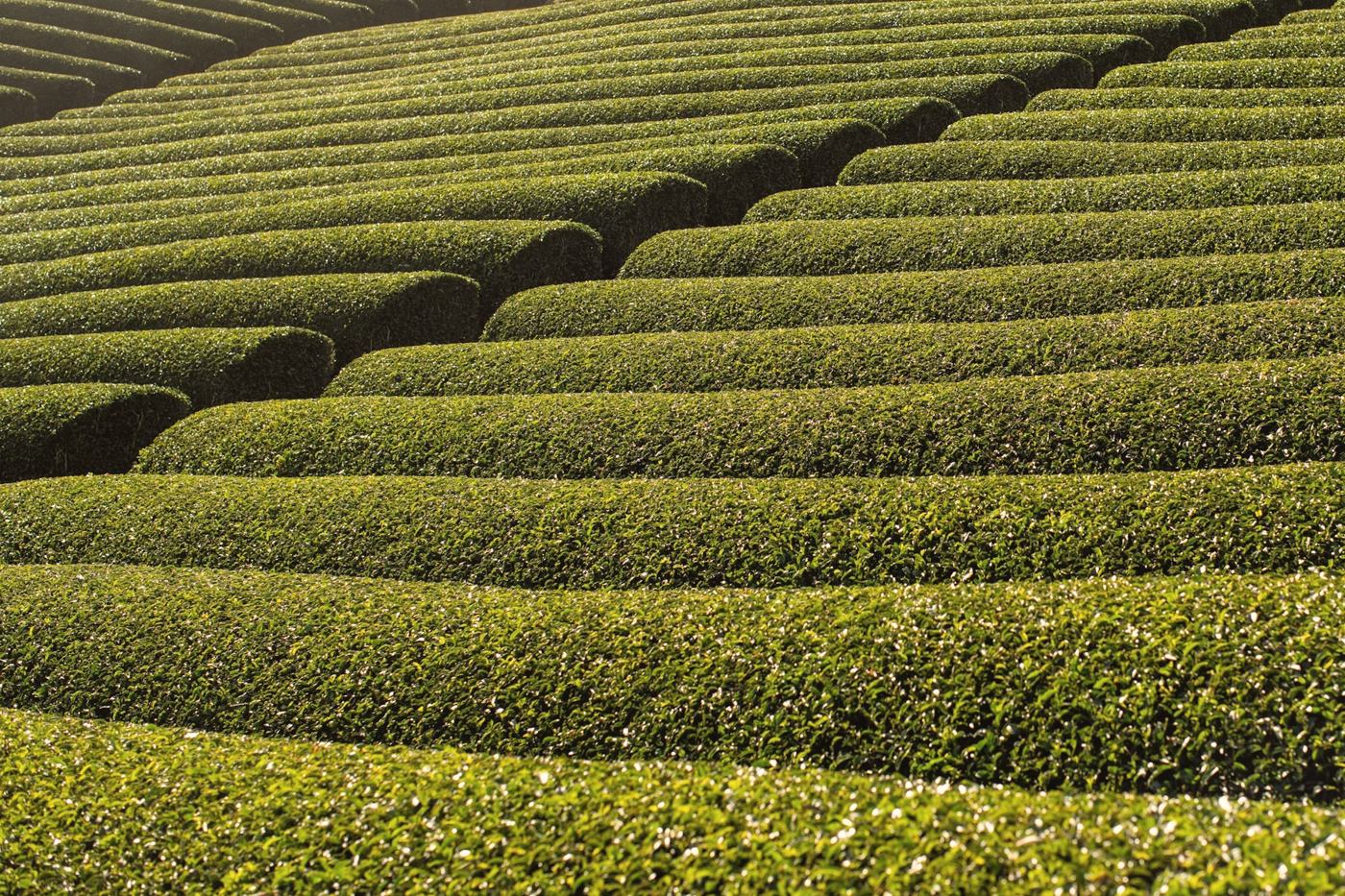
Quality begins in the field
From spring leaf to fine powder
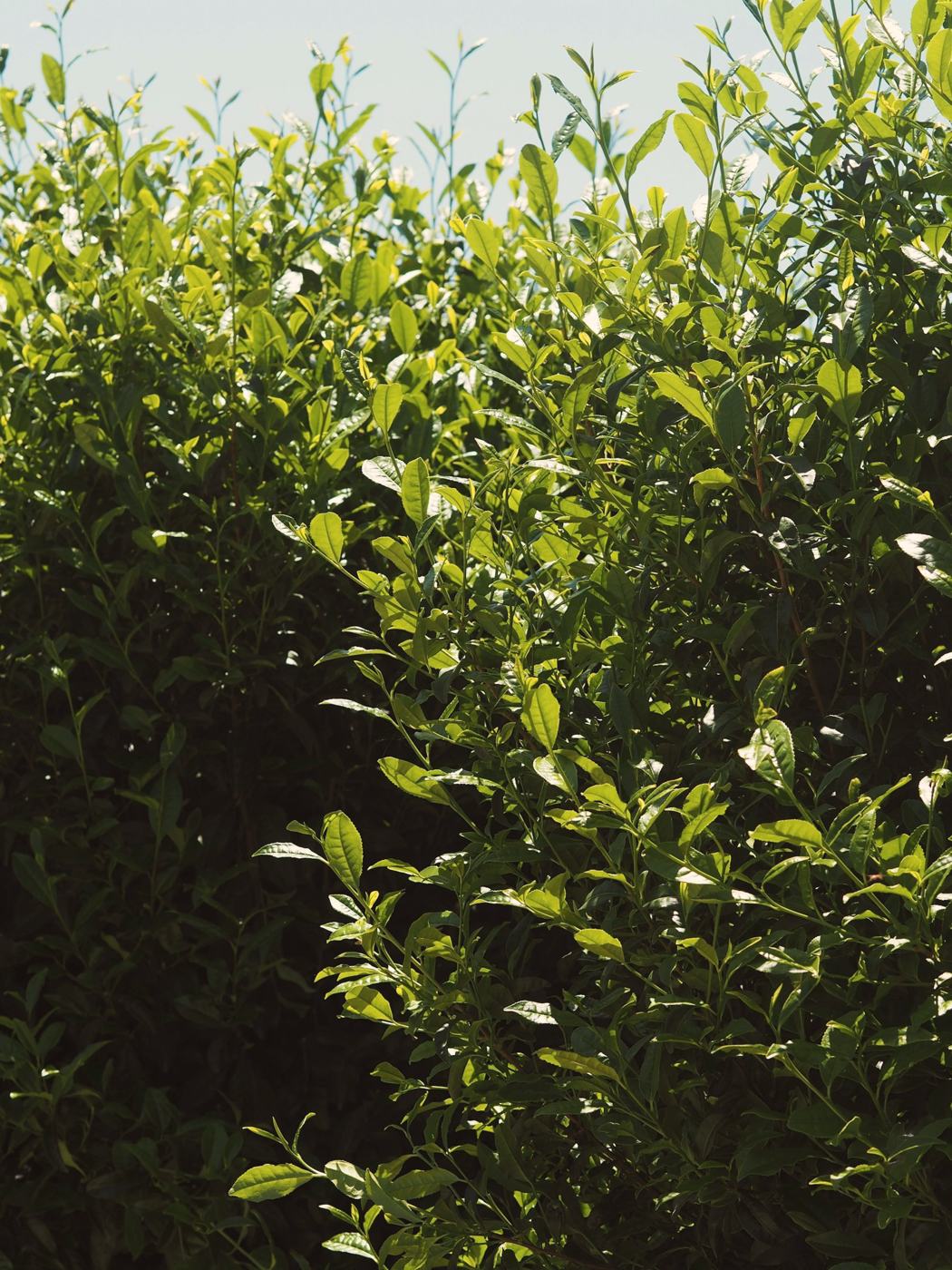 01First harvestIchibancha — the young leaves picked in spring.
 02ShadedBefore harvest, the plants are covered to limit sunlight.
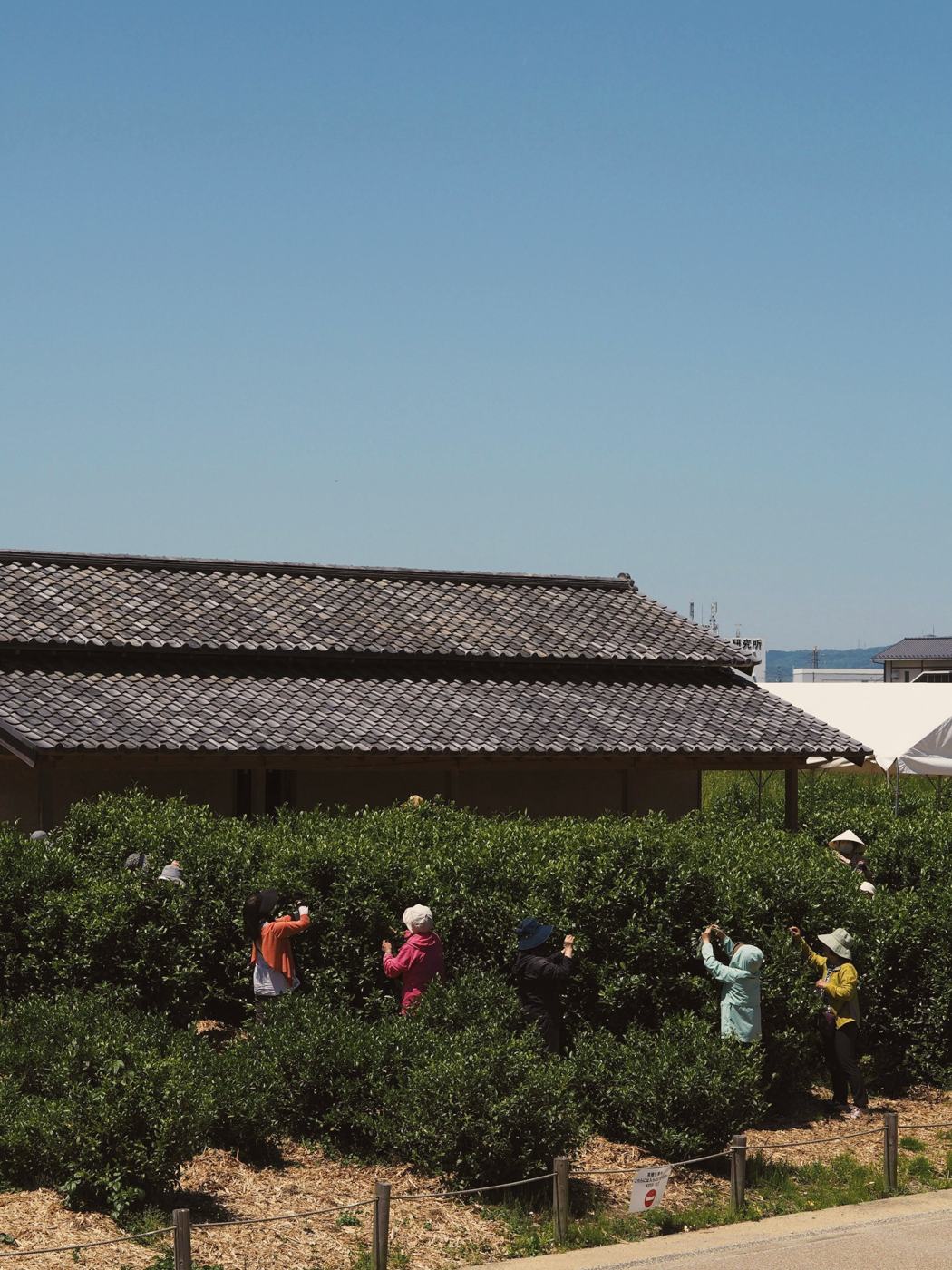 03TenchaThe leaves are picked and processed into tencha.
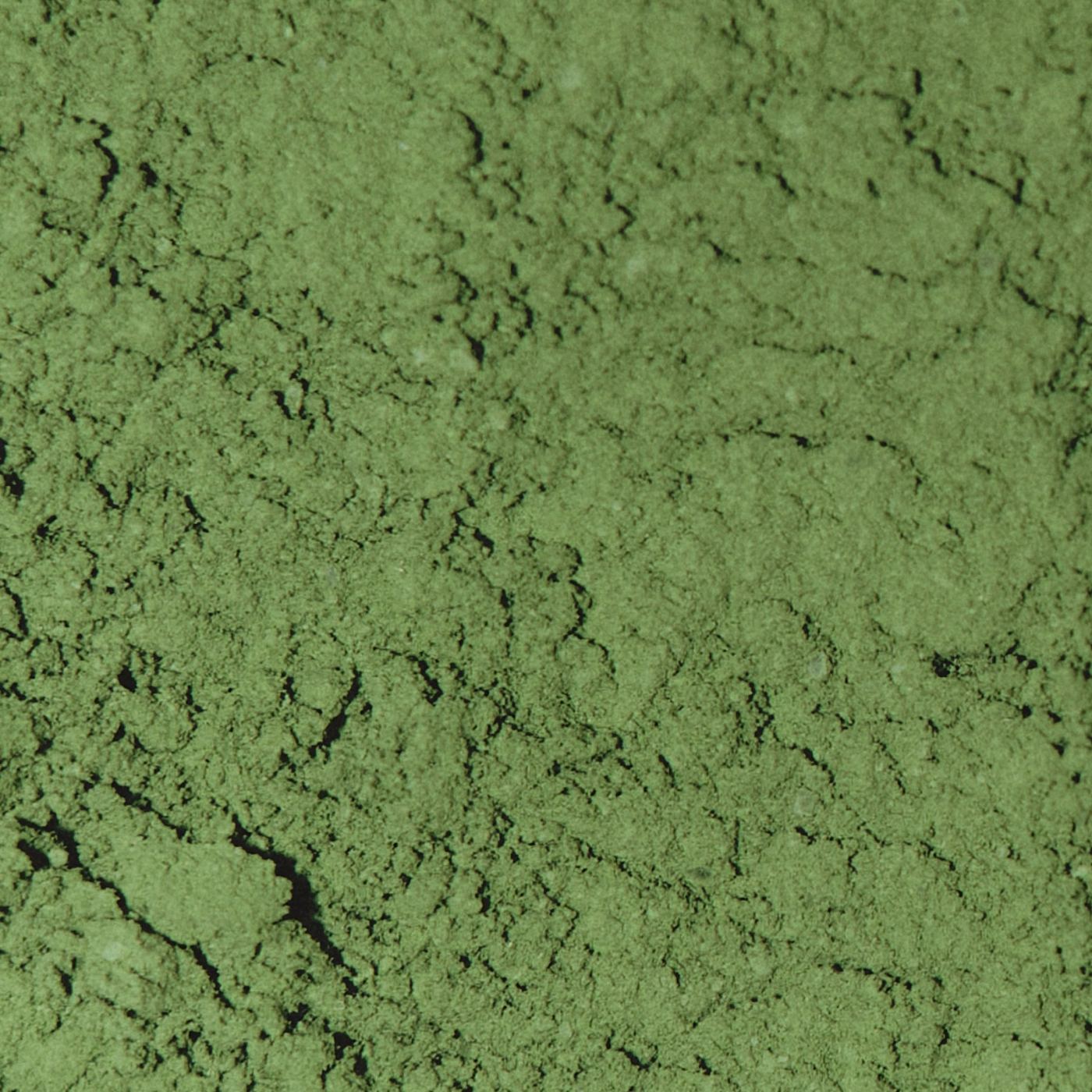 04Stone-milledGround into an ultra-fine powder: vibrant color, rich umami, aroma, a smooth texture.
Small, independent farms. Long-term relationships.Quality over scale.
A label to look past
“Ceremonial Grade”
Widely used in the U.S. — but not an official quality standard set by the Japanese government or tea industry.
What truly matters
- Origin
- Cultivar
- Harvest
- Growing method
- Processing
- Tea master
Choose matcha by the flavor and experience you want, not by a marketing label.
Four expressions of Japanese tea
Different regions, different characters
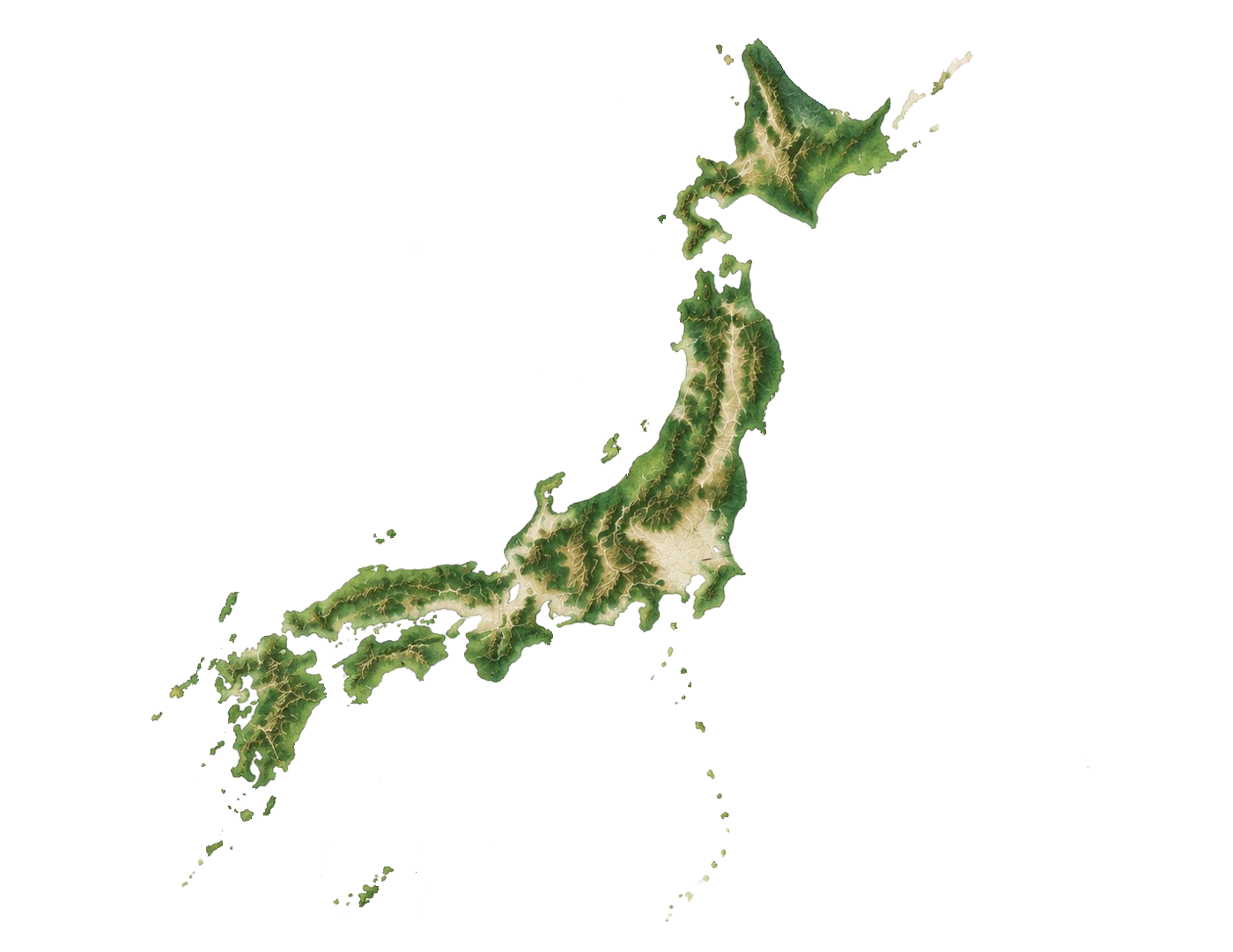 Uji, KyotoHeritageShizuokaCeremonial · HojichaKagoshimaImperial
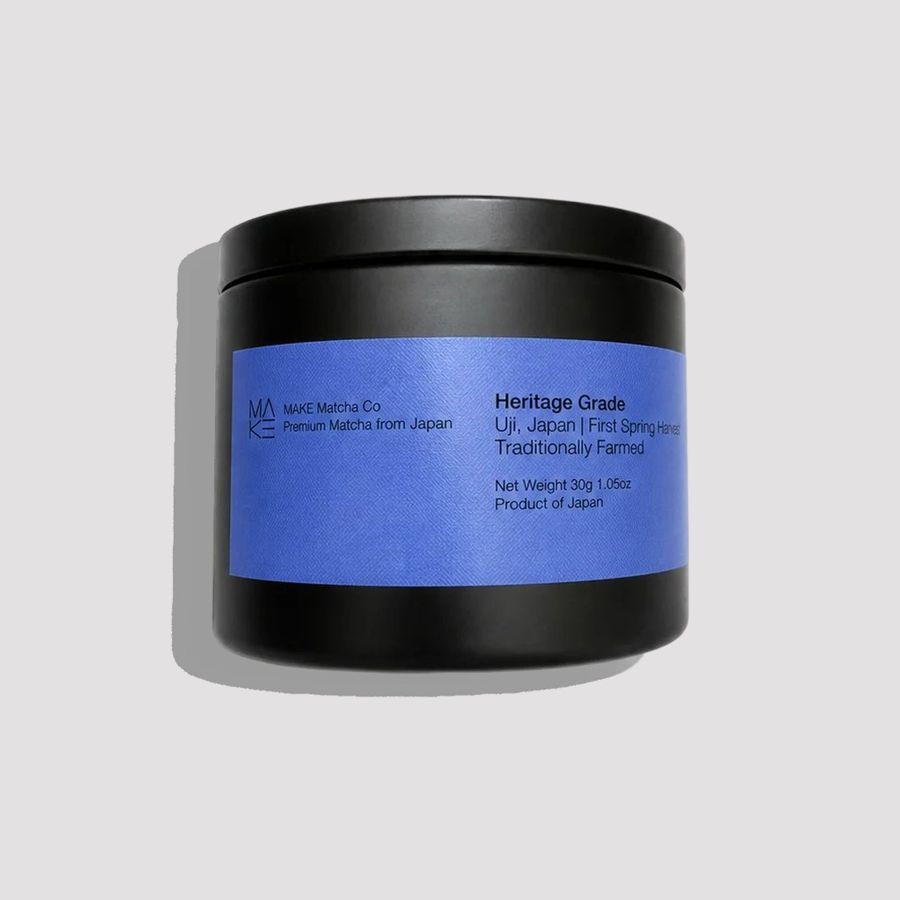 HeritageUji, Kyoto
MAKE’s highest grade. A limited first spring harvest with creamy umami and gentle natural sweetness.
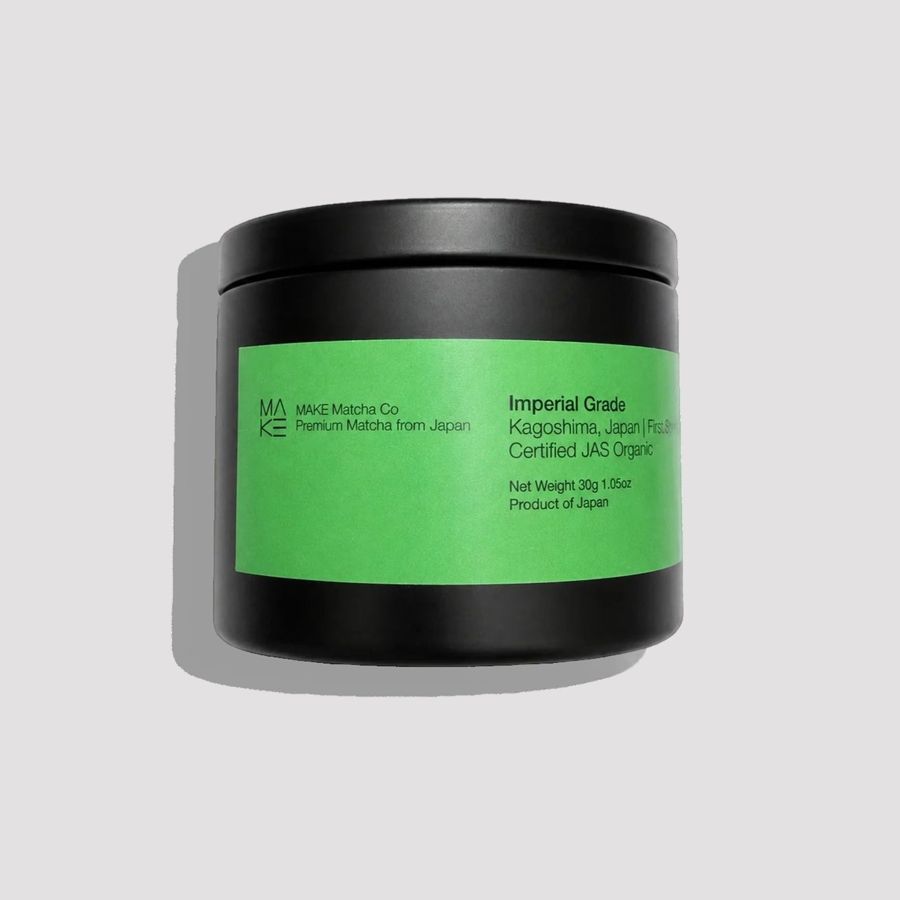 ImperialKagoshima · JAS organic
Organic Okumidori. Vibrant color, rich aroma, creamy umami and a smooth finish.
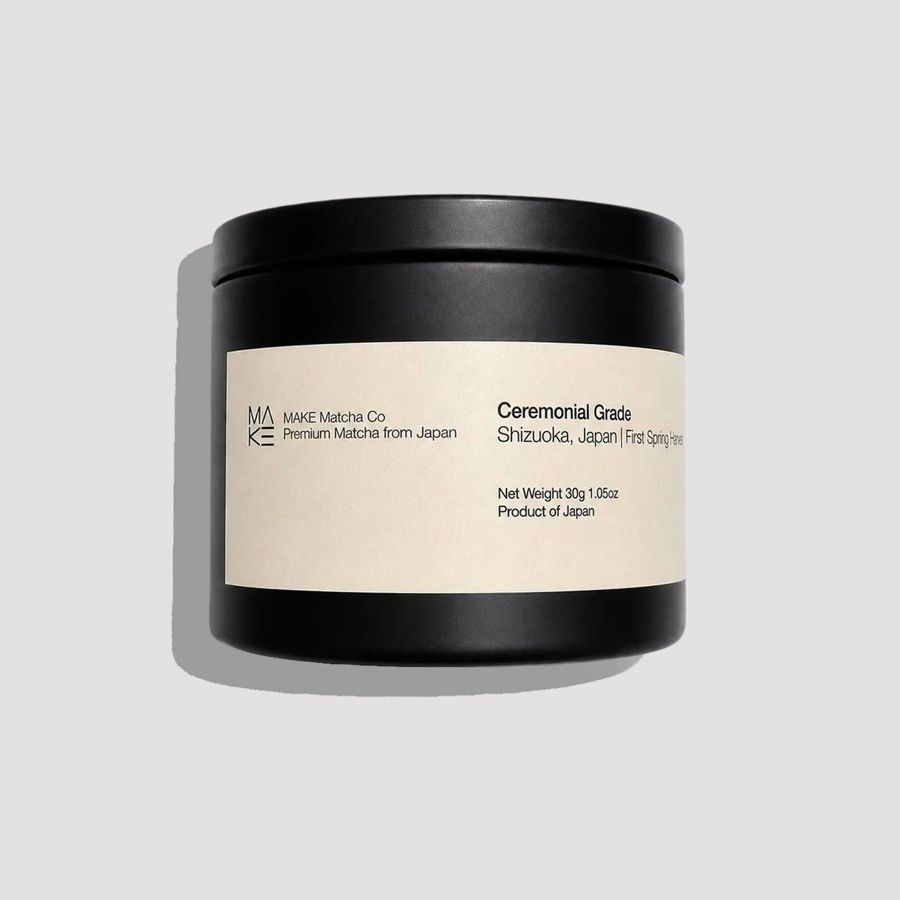 CeremonialShizuoka
Yabukita, Okumidori and Saemidori. Balanced and smooth — straight or in a latte.
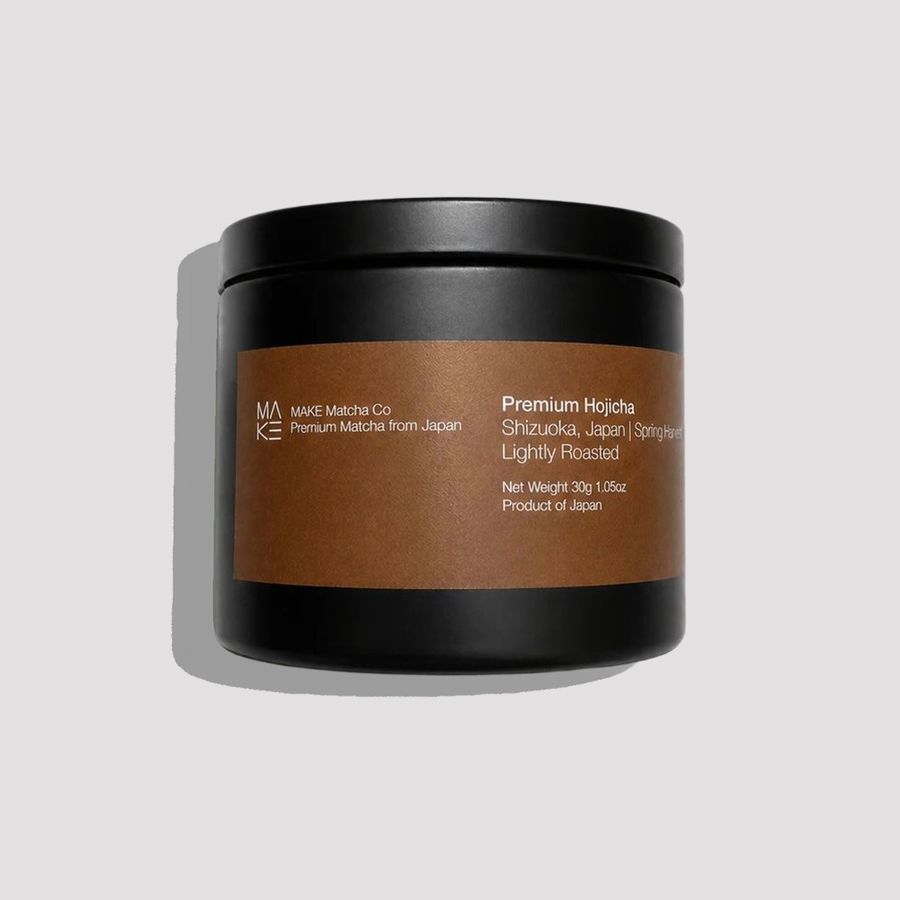 HojichaShizuoka · roasted
Roasted spring-harvested leaves. A comforting aroma, gentle umami, natural sweetness.
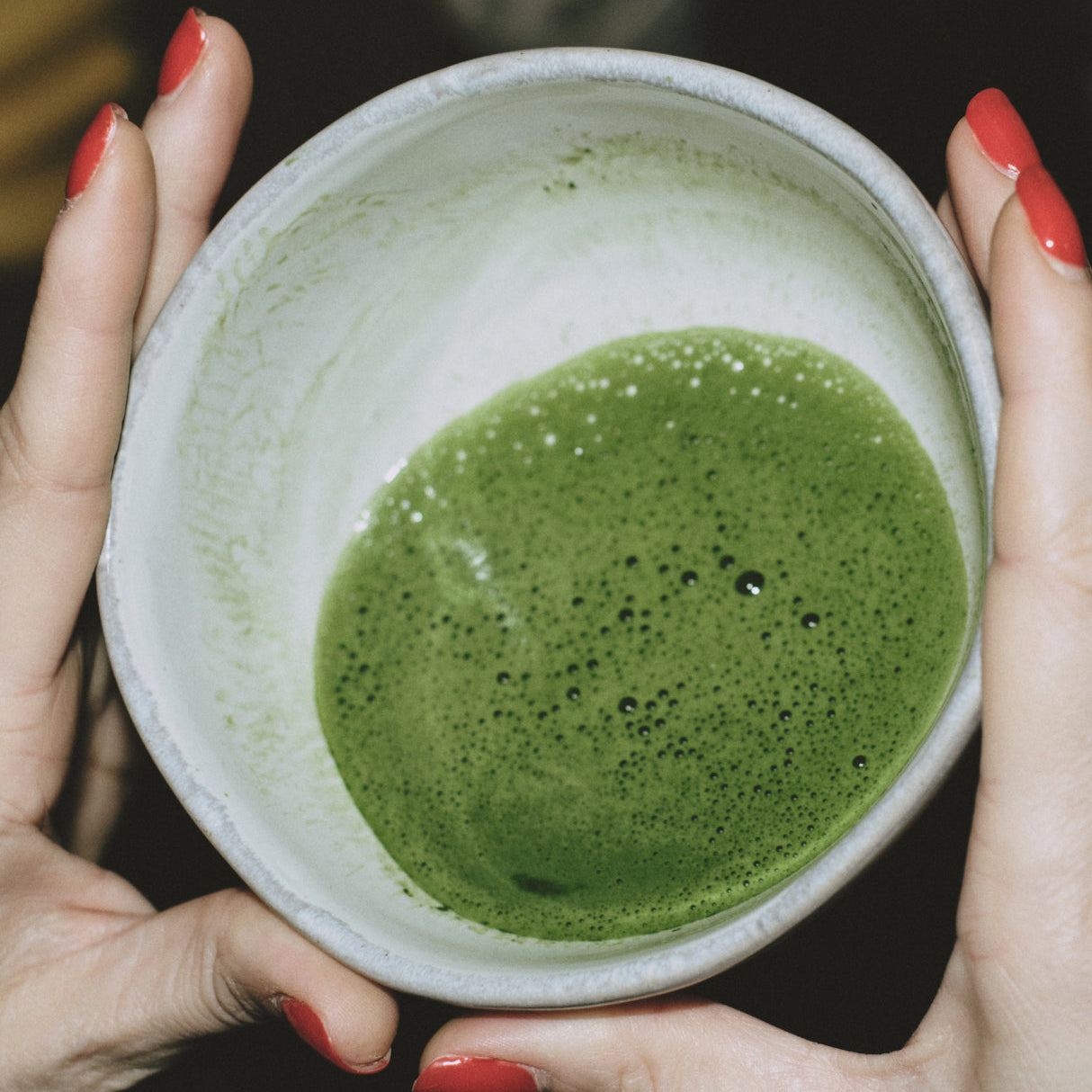
What does “Imperial” mean?
Not that this matcha was presented to Japan’s Imperial Family. For centuries the finest foods and crafts were offered to the Family — the world’s longest-continuing hereditary line. “Imperial” evokes quality worthy of that.
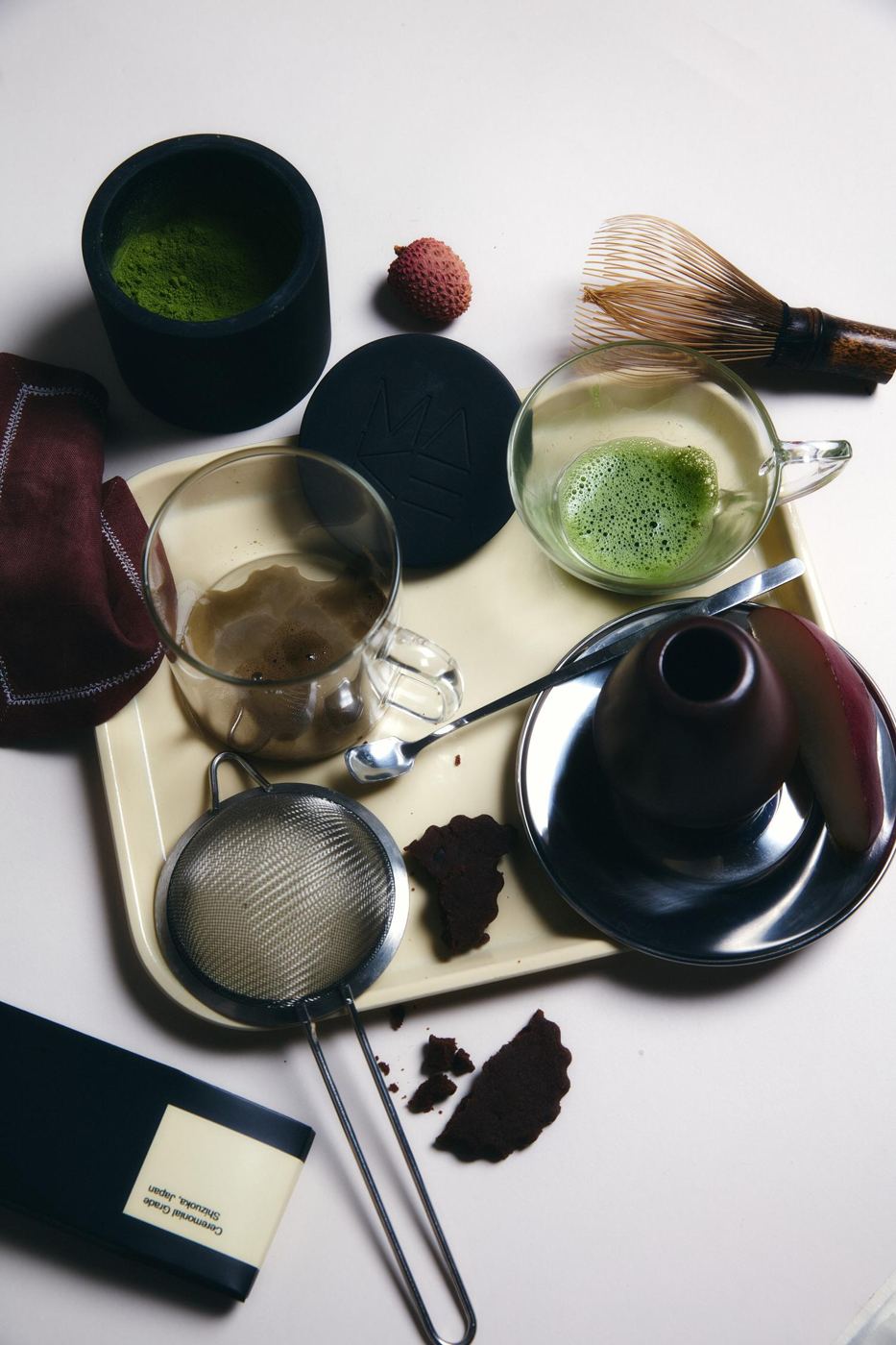
Bringing tea culture to everyday life
Two best friends, one bowl at a time
- 1990sDarla Murray and Chantal Shah discover matcha.
- 2002Their first traditional tea ceremony, in Tokyo — a lifelong appreciation begins.
- TodayThey still own and run MAKE. Good matcha is still the favorite part of their day.
Not tradition in a museum — Japanese craftsmanship, connected with modern life in the U.S.
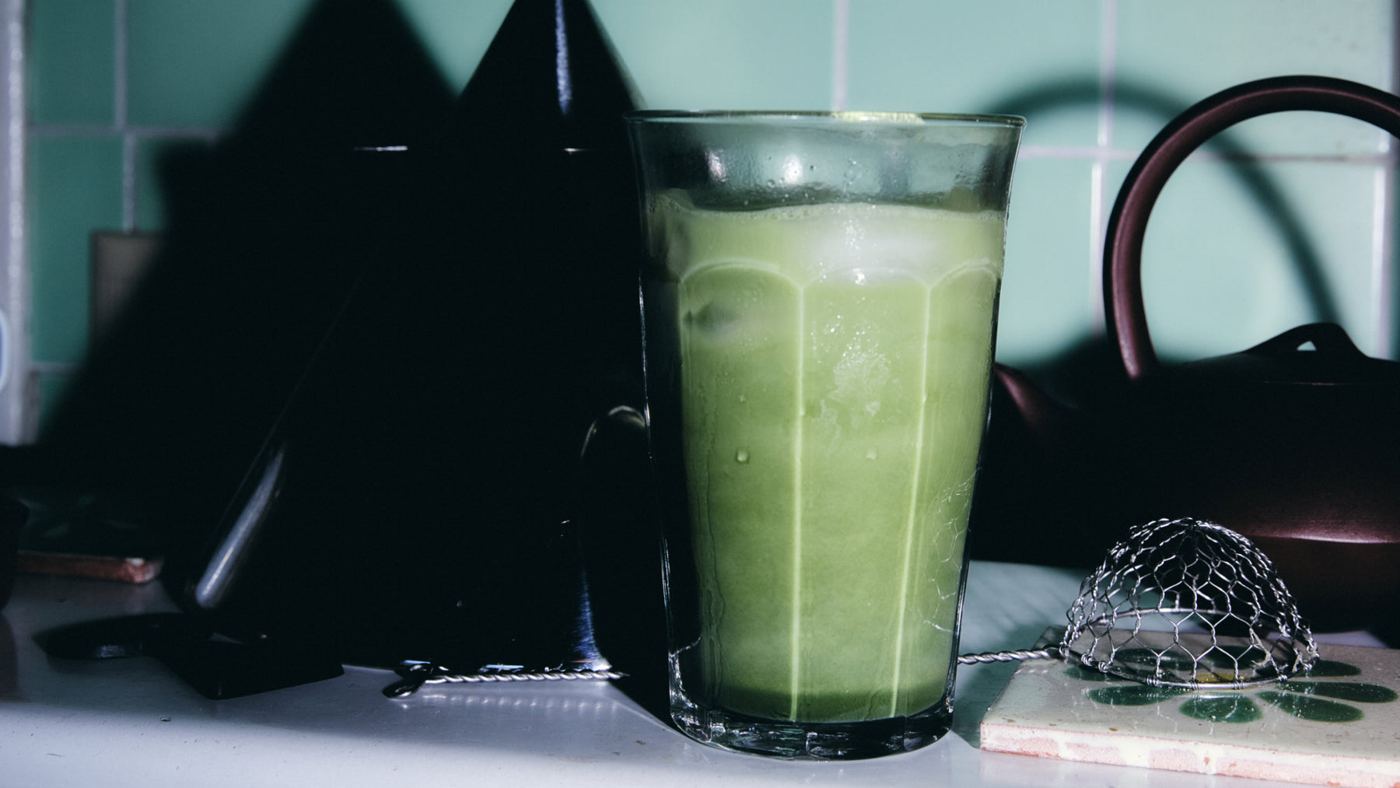
Experience it at Davelle
Taste it here
- Ceremonial Matcha Latte
- Imperial Matcha Latte
- Matcha Pudding
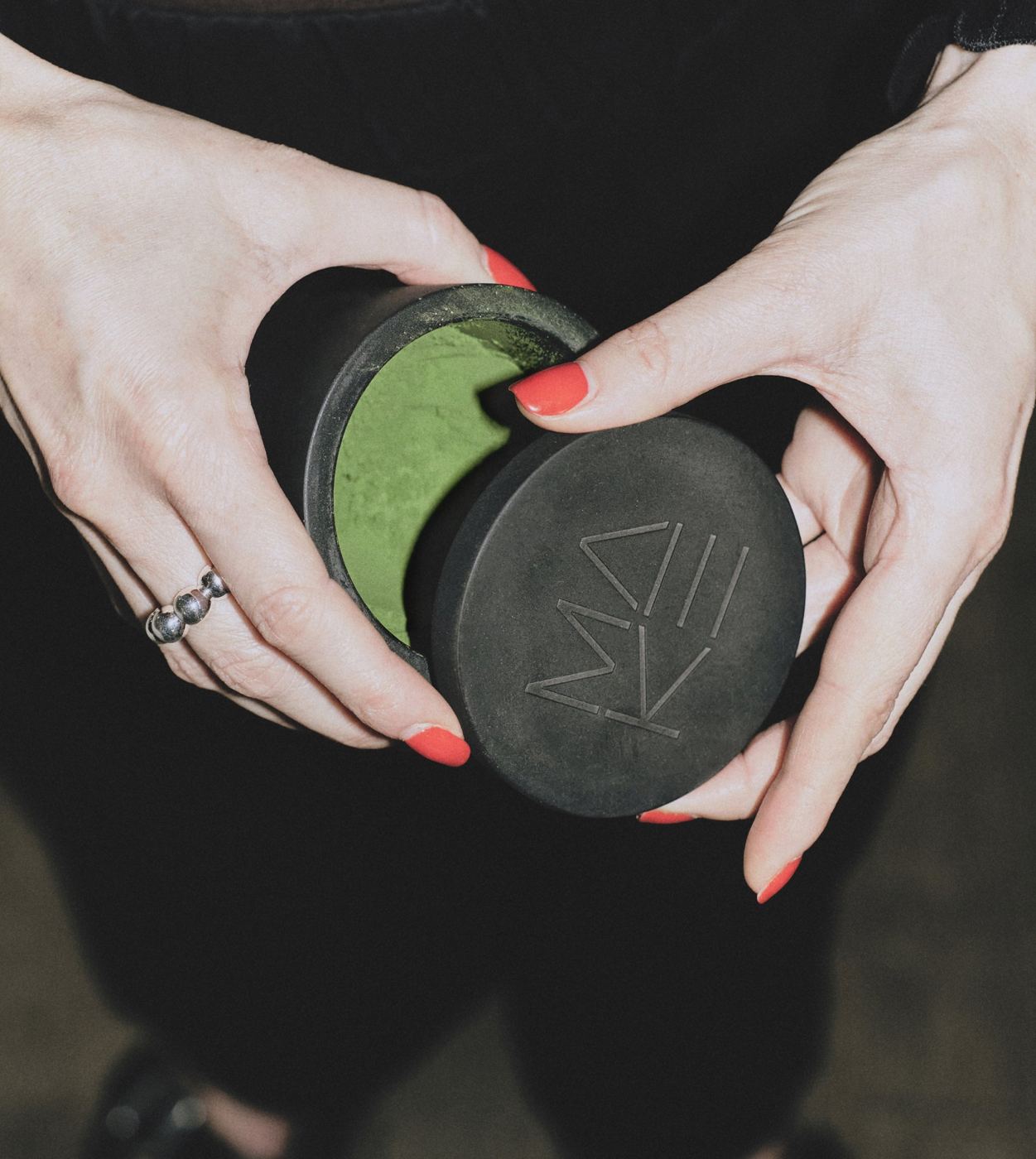
Take it home · Davelle Ya
- Heritage Matcha 30g · Uji, Kyoto
- Imperial Matcha 30g · Kagoshima, organic
- Ceremonial Matcha 30g · Shizuoka
- Hojicha 30g · Shizuoka
Why Davelle Ya chose MAKEWe want more than a high-end matcha. We want to share the people, land, skills and generations of knowledge behind each cup. MAKE respects Japanese tea culture, works with small producers and tea masters, and brings that value to the U.S.Most importantly, you can taste the difference.
When you know the story, matcha becomes more than a trend — you can choose it by the flavor you love.
OriginCultivarHarvest
Next on the shelfCABI →Start with the landWhy Japanese food cares where things come from →Davelle YaBack to the shop →